How Skylight Installation Improves Energy Efficiency
Skylight installation by local contractors can enhance energy efficiency by increasing natural light and reducing reliance on artificial lighting in your home.
Property owners exploring how skylight installation improves energy efficiency often discover the practical benefits of increased natural light and better insulation. Skylights can reduce the need for artificial lighting during daylight hours, which helps lower energy consumption and utility bills. Additionally, properly installed skylights can enhance a building’s insulation, minimizing heat transfer and maintaining a more consistent indoor temperature. For those in the area considering upgrades that make a noticeable difference in energy use, local contractors specializing in skylight installation can provide tailored solutions that maximize these benefits.
Understanding the impact of skylight installation on energy efficiency encourages property owners to evaluate their current lighting and insulation strategies. Skilled local service providers can assess existing structures and recommend the most effective skylight options to improve overall energy performance. Whether for a residential or commercial property, choosing experienced contractors ensures the installation is done correctly, helping to optimize natural light while reducing energy waste. Keep reading to learn more about how local pros can help make skylight installation a smart, energy-efficient choice.
- Residential Skylight Installation - homeowners seeking to reduce energy costs often consider skylight installation to enhance natural lighting and decrease dependence on artificial lighting, with local contractors ensuring proper sealing and placement.
- Attic Skylight Upgrades - properties with poorly insulated attics may need skylight upgrades to improve energy efficiency, where local service providers focus on integrating skylights that minimize heat transfer.
- Skylight Replacement Services - buildings with outdated or inefficient skylights might require replacements to boost energy savings, with local pros offering expert assessment and seamless installation.
- Custom Skylight Solutions - clients interested in tailored skylight designs for energy efficiency can work with local contractors to select and install models optimized for their specific needs.
- Skylight Sealing and Insulation - properties experiencing drafts or heat loss around existing skylights may need sealing or insulation improvements, with local service providers addressing gaps to enhance overall energy performance.
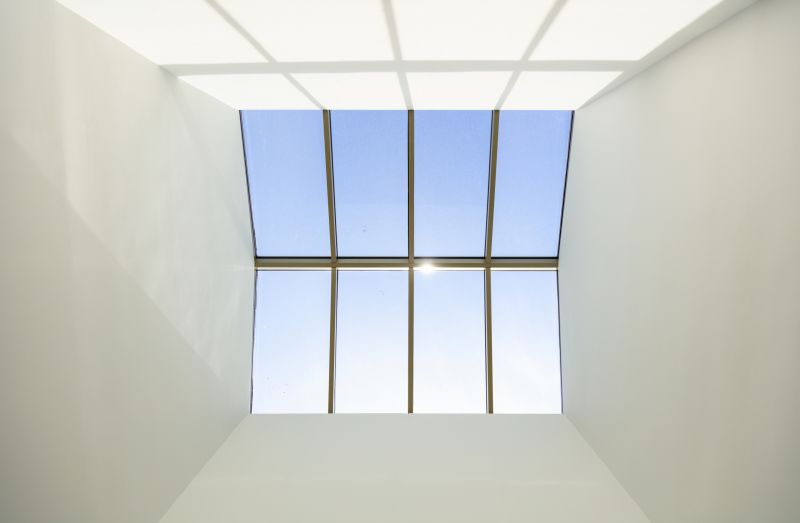
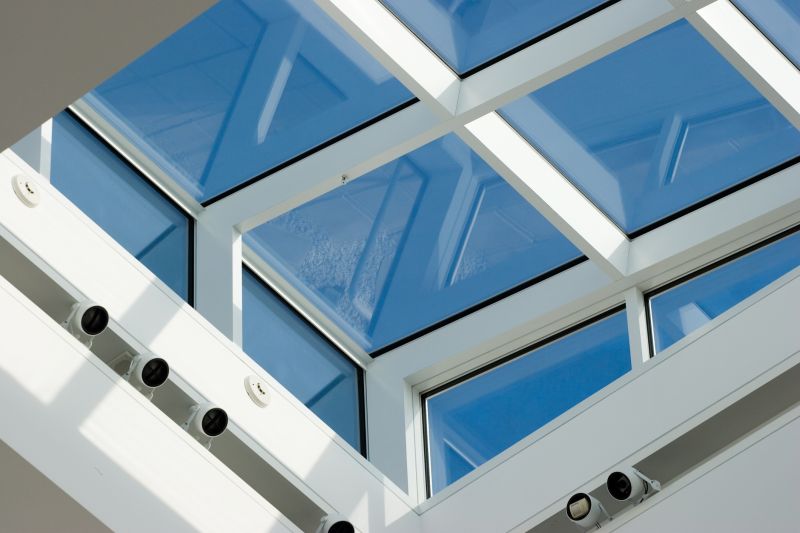
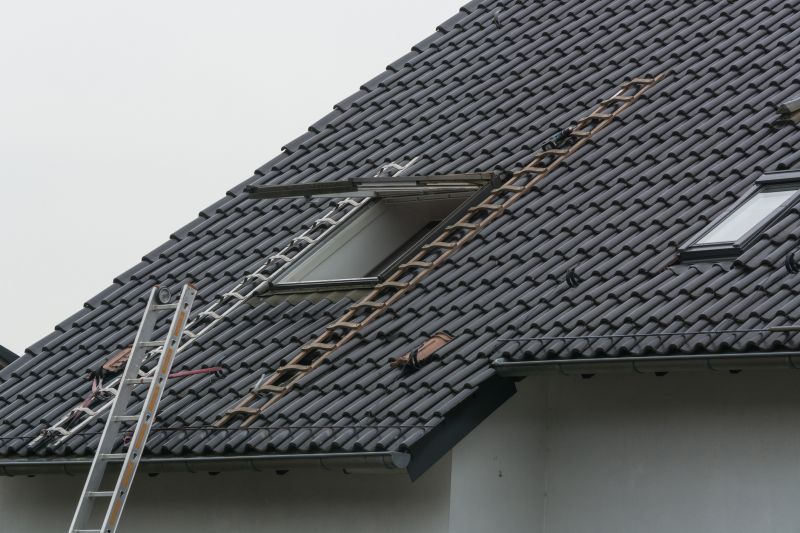
When people search for how skylight installation improves energy efficiency, they are often interested in understanding how adding or upgrading skylights can help reduce their home's heating and cooling costs. Many homeowners notice that natural light from skylights can make interior spaces brighter and more inviting, but they also want to know if this can translate into lower energy bills. Typically, the focus is on how skylights can provide additional daylight, reducing the need for electric lighting during daytime hours, and how they can influence indoor temperature regulation. This interest usually arises from a desire to make homes more comfortable and to find practical ways to manage energy use without significant renovations.
Skylight installation relates to a variety of home improvement plans and common problems. For example, older homes might experience uneven heating or cooling, with certain rooms feeling drafty or overly warm. Installing skylights can help address these issues by allowing sunlight to naturally warm interior spaces during colder months, while also providing ventilation options that can help with cooling in warmer seasons. Additionally, homeowners often look into skylights when planning to modernize their homes or increase natural light, aiming to create a more energy-efficient living environment. Local contractors who specialize in skylight installation can assess a property’s specific needs and recommend solutions that enhance both daylighting and temperature control.
The types of properties that typically come up in discussions about skylight installation include single-family homes, especially those with attic or vaulted ceilings, as well as multi-family buildings and certain commercial spaces. In residential settings, skylights are frequently installed in kitchens, living rooms, or bathrooms where natural light can improve comfort and reduce reliance on artificial lighting. Multi-story homes with complex rooflines often benefit from strategically placed skylights to optimize daylight distribution. For commercial properties, skylights can be integrated into office buildings or retail spaces to cut down on energy consumption related to lighting and climate control, making them a versatile option for various property types.
Local service providers who handle skylight installation play a key role in ensuring these benefits are realized effectively. They can evaluate the specific characteristics of a property, such as roof type, insulation, and existing lighting needs, to recommend the most suitable skylight options. These professionals handle the installation process with attention to detail, helping to minimize issues like leaks or heat transfer that could undermine energy efficiency gains. By working with experienced local contractors, homeowners and property managers can better understand how skylight installation can contribute to a more energy-efficient space, ultimately making natural light a practical and effective part of their overall home or building improvement plans.
Roofing and Insulation Projects - These projects often involve planning and installation skills similar to skylight installation, focusing on improving a building’s energy efficiency through proper sealing and insulation techniques.
Window Replacement Services - Replacing old windows with energy-efficient models requires precise planning and skill, paralleling the work involved in installing skylights to enhance natural light and reduce energy costs.
Sunroom and Conservatory Construction - Building sunrooms or conservatories involves integrating large glass structures that can impact indoor climate control, similar to how skylight installation can influence energy use.
Attic and Ventilation System Installations - These projects improve airflow and temperature regulation, complementing skylight installation to optimize energy efficiency in a building.
Exterior Cladding and Siding Projects - Proper installation of cladding and siding helps with insulation and energy conservation, aligning with the goals of skylight installation in reducing energy loss.
Lighting and Daylighting System Installations - Designing and installing systems that maximize natural light can work hand-in-hand with skylight installation to improve energy efficiency and indoor lighting quality.
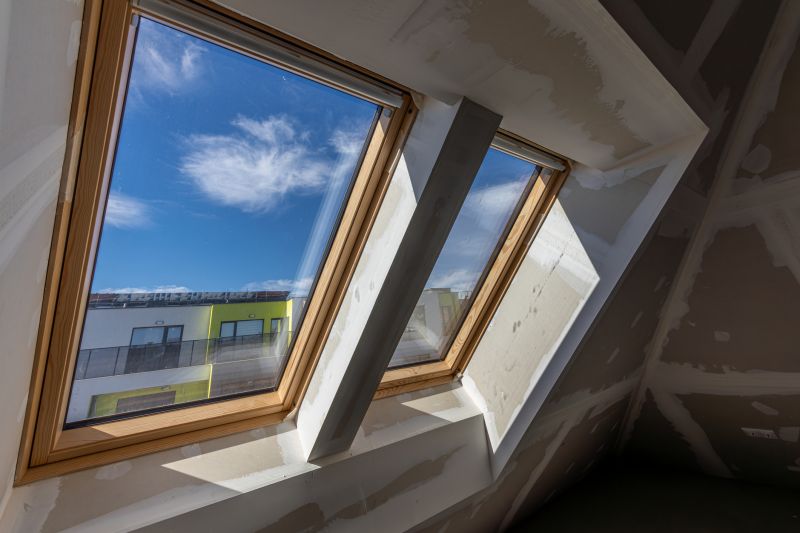
When comparing local contractors for skylight installation, it’s important to consider their experience with similar projects. Homeowners should inquire about how long the service providers have been working on skylights and whether they have a proven track record of successfully completing installations that enhance energy efficiency. Contractors with extensive experience are more likely to understand the nuances of proper installation techniques, which can impact how well the skylight performs in reducing heat transfer and improving overall energy use within the home.
Clear written expectations are also essential when evaluating potential service providers. Homeowners should seek detailed information about what the installation process entails, including the scope of work, materials used, and any guarantees or warranties offered. Having a well-defined plan helps ensure that both parties are aligned on the project’s goals, such as maximizing energy efficiency, and reduces the likelihood of misunderstandings or surprises during the work. Transparent communication about these expectations can lead to a smoother installation process and better long-term results.
Reputable references and good communication are key factors in selecting a reliable contractor. Homeowners are encouraged to ask for references from previous clients who had similar skylight projects, especially those focused on energy efficiency improvements. This feedback can provide insights into the contractor’s professionalism, quality of work, and ability to meet deadlines. Additionally, service providers who communicate clearly and promptly throughout the process tend to be more responsive to questions and concerns, which can make the experience of upgrading skylights more straightforward and satisfying.
Property owners often search for how skylight installation improves energy efficiency when they are planning practical projects around their homes and businesses. Local pros provide Skylight Installation services for everyday jobs and straightforward project options.
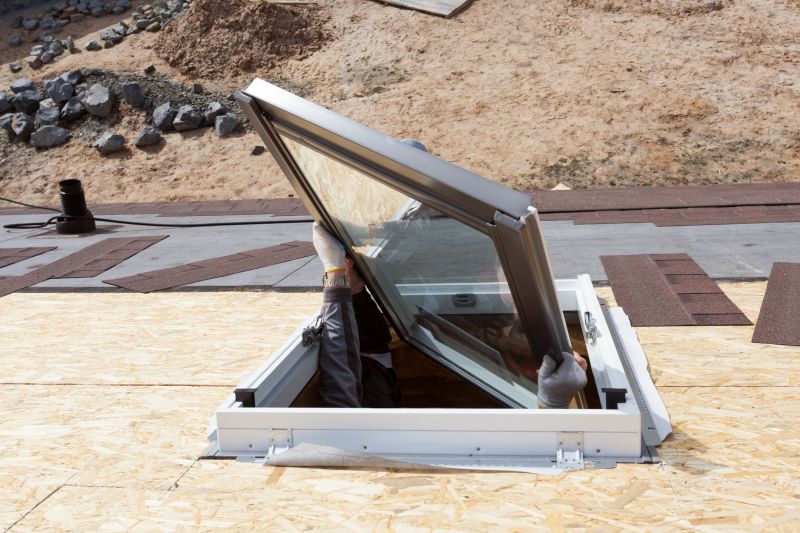
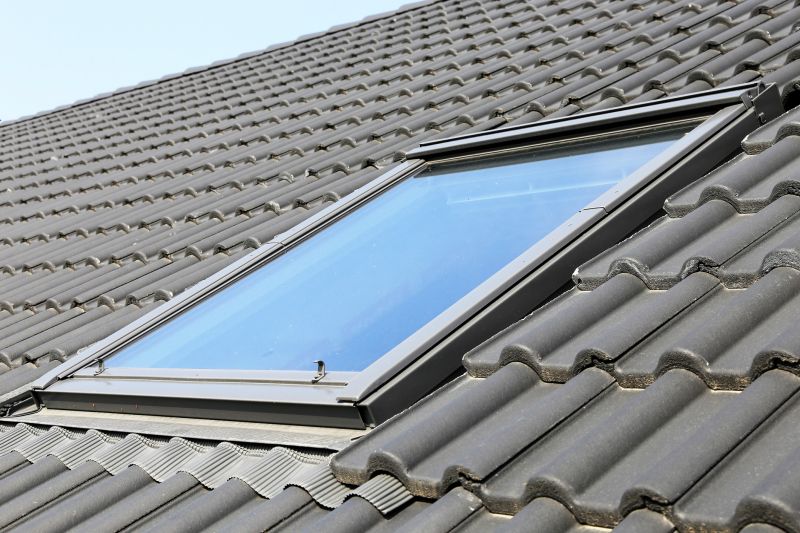
Skylight installation can significantly impact the energy efficiency of a property by allowing natural light to illuminate interior spaces more effectively. Many property owners in the area consider adding or upgrading skylights to reduce their reliance on artificial lighting during the day, which can lead to noticeable savings on electricity bills. Additionally, properly installed skylights help regulate indoor temperatures by providing passive solar heating in cooler months and minimizing drafts, especially when installed by experienced local contractors who understand the specific needs of the area.
Homeowners often look into how skylight installation improves energy efficiency to create a more comfortable living environment while managing energy costs. Local service providers can offer guidance on the best skylight options for maximizing daylight and thermal performance. By partnering with skilled local contractors, property owners can ensure that their skylights are installed correctly, helping to optimize natural light and temperature control throughout the year.
How does skylight installation contribute to energy efficiency? Skylight installation can reduce the need for artificial lighting during the day, lowering electricity use. Properly installed skylights also help regulate indoor temperatures by providing natural ventilation and daylight, which can decrease heating and cooling costs.
Can skylight installation help with heating and cooling costs? Yes, when installed correctly, skylights can maximize natural light and heat during the winter, reducing heating expenses. Conversely, energy-efficient skylights can minimize heat gain in the summer, lowering cooling needs.
What role do local contractors play in improving energy efficiency through skylight installation? Local contractors ensure skylights are properly installed with appropriate sealing and insulation, which is essential for maximizing energy savings and preventing drafts or leaks that could negate efficiency benefits.
Are there specific types of skylights that enhance energy efficiency? Yes, energy-efficient skylights often feature low-emissivity coatings, insulated frames, and glazing options that help control heat transfer, making them more effective at improving overall energy performance.
How can choosing the right skylight installation impact energy efficiency? Selecting experienced service providers ensures proper installation, which is crucial for preventing air leaks and optimizing natural light, ultimately enhancing the energy efficiency benefits of skylights.
Maximize natural light - Installing skylights can reduce the need for artificial lighting during the day, helping property owners save energy.
Improve insulation - Skilled skylight installation can include energy-efficient window options that minimize heat transfer, maintaining indoor temperature.
Optimize placement - Local contractors can help position skylights to enhance sunlight exposure while avoiding heat gain or loss in specific areas.
Upgrade existing features - Replacing older skylights with modern, energy-efficient models can further improve a property's overall energy performance.
If you are thinking about how skylight installation improves energy efficiency for a property, this guide is meant to help you understand this topic, the typical project types, and how different options might fit your plans.
When you are ready, you can use the quote form on this page to share a few details about your project. From there, local pros can review the basics and follow up with options that match what you have in mind.