Signs Your Home Is Ready for a Skylight Installation
Recognizing signs your home is ready for a skylight installation helps homeowners enhance natural light, and local contractors can expertly handle the installation process.
Homeowners considering skylight installation often notice certain signs that suggest their space could benefit from more natural light. For example, rooms that feel dark or enclosed, especially during daytime hours, might be a good candidate for adding a skylight to brighten the environment. Additionally, spaces with limited window access or rooms positioned away from exterior walls can benefit from the additional sunlight that skylights provide. Recognizing these signs can help property owners decide when it’s the right time to explore professional services that specialize in skylight installation, ensuring the process is handled safely and effectively.
Local contractors who offer skylight installation services are well-equipped to assess whether a property is ready for this upgrade. They can evaluate roof structure, attic space, and existing architecture to determine the best placement and type of skylight for each home. If a property shows signs of needing more daylight or has architectural features that support natural light enhancements, connecting with experienced service providers can lead to a successful installation. Keeping an eye out for these practical indicators can make the decision to improve a home’s lighting both straightforward and rewarding.
- Roof inspection - when signs your home is ready for a skylight installation include roof damage or leaks that need assessment, and local contractors can evaluate roof integrity before installation.
- Attic assessment - if your attic lacks natural light or has insufficient ventilation, local service providers can determine if a skylight will improve space comfort and airflow.
- Structural evaluation - homes with aging or weakened roof structures may require reinforcement, and local pros can identify necessary modifications for safe skylight integration.
- Energy efficiency review - signs your home is ready for a skylight installation include high energy bills or uneven heating, and local contractors can suggest optimal placement for energy savings.
- Design consultation - when considering skylights to enhance natural light and aesthetics, local service providers can advise on styles and placement that complement existing architecture.
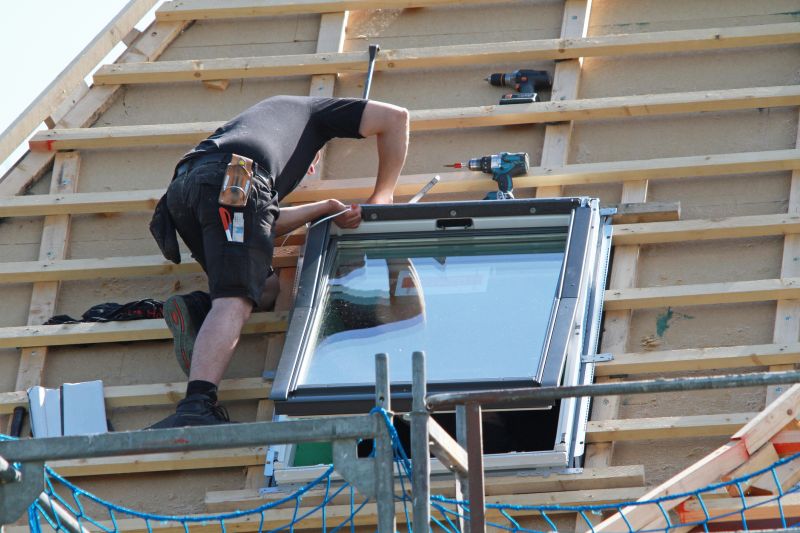
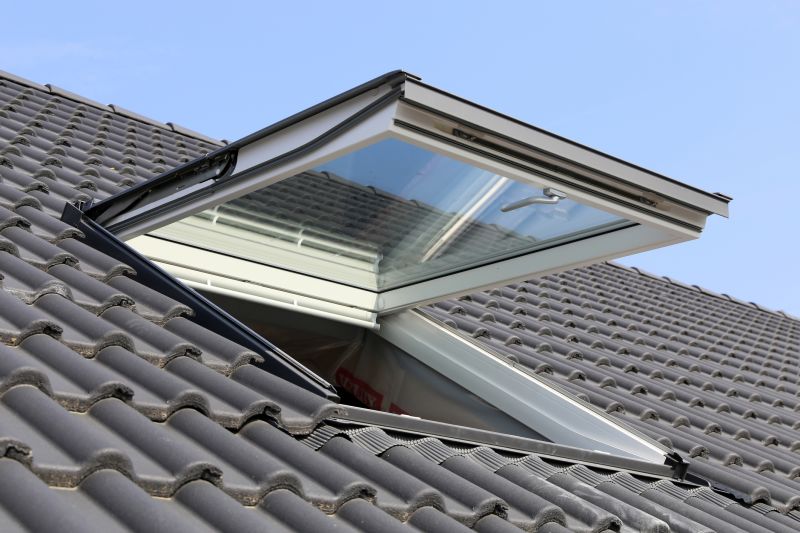
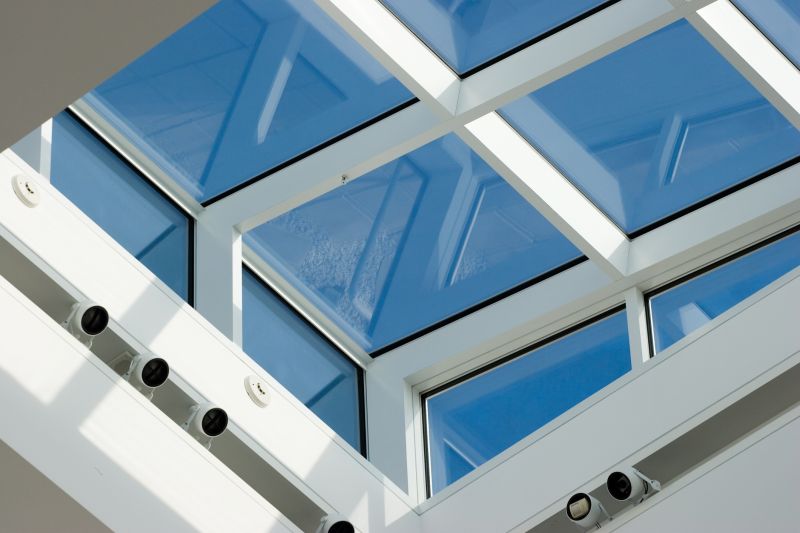
When homeowners search for signs their home is ready for a skylight installation, they are typically looking for clear indicators that adding a skylight makes sense for their space. This often involves assessing whether the home’s structure and existing features can support this type of renovation. For example, homes with rooms that lack sufficient natural light or spaces that feel dark and closed off are common targets for skylight projects. Homeowners may also be considering a skylight to improve the overall ambiance or to make a room feel larger and more inviting. Recognizing these needs helps determine if a skylight installation will enhance the home’s comfort and aesthetic appeal.
The decision to install a skylight often relates to specific problems or plans that homeowners have in mind. Common issues include poor lighting during daytime hours, high energy bills caused by reliance on artificial lighting, or a desire to bring more natural elements into the living space. Some homeowners plan renovations to increase the value of their property or to modernize older homes. Additionally, skylights can serve as a solution for rooms with limited wall space for windows, such as attics, bathrooms, or kitchens. Understanding these goals helps homeowners identify whether their current home environment aligns with the benefits that a skylight can provide.
Certain property types tend to come up more frequently when discussing signs that a home is ready for a skylight installation. Single-family houses, especially those with flat or low-pitched roofs, are common candidates. Attics and upper-story rooms often benefit from skylights because they typically lack sufficient wall windows. Commercial buildings, such as retail spaces or offices, may also be suitable candidates, particularly if they feature large roof areas. Homes with limited exposure to natural light due to orientation or surrounding structures might also be good candidates. Recognizing the property’s design and layout helps homeowners understand if a skylight could be a practical addition.
Ultimately, understanding the signs that a home is ready for a skylight installation involves evaluating both the physical characteristics of the property and the homeowner’s goals. Local service providers can help assess whether the existing roof structure can support a skylight and advise on the best placement for optimal light and aesthetic impact. They can also guide homeowners through considerations like roof pitch, available space, and potential structural modifications. By identifying these key factors, homeowners can make informed decisions about whether a skylight will meet their needs and how to proceed with a professional installation.
Roof Repair Projects - Repairing or replacing roof sections is often necessary before skylight installation, requiring similar planning and tools to ensure proper sealing and support.
Attic Insulation Improvements - Upgrading attic insulation involves assessing attic space and airflow, which can influence skylight placement and performance considerations.
Interior Remodeling Projects - Interior remodeling that involves ceiling modifications or structural changes shares planning and construction skills with skylight installation.
Window Replacement Services - Replacing windows requires precise measurements and understanding of framing, skills that are also essential for installing skylights securely.
Chimney and Vent Installation - Installing vents or chimneys involves roof penetrations similar to skylight installation, requiring careful planning and sealing techniques.
Sunroom or Conservatory Construction - Building sunrooms or conservatories often involves large glass installations, paralleling the skills needed for skylight setup and integration.
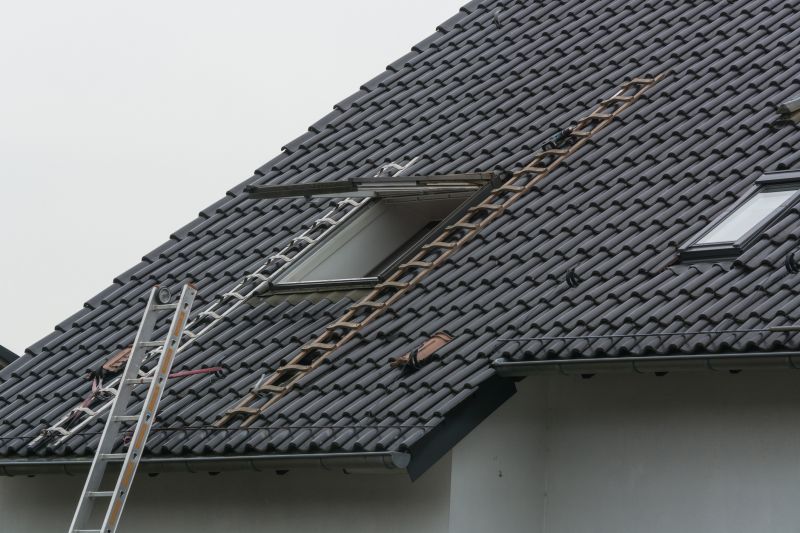
When evaluating service providers for skylight installation, it is important to consider their experience with similar projects. Homeowners should seek out local contractors who have a proven track record of successfully installing skylights in homes with comparable architectural styles or roof structures. An experienced professional will be familiar with the specific challenges that can arise during installation and will be better equipped to recommend solutions tailored to the home's unique features. Verifying past work or requesting references related to skylight projects can provide insight into a contractor’s familiarity and competence with this type of work, helping to ensure the chosen service provider has the necessary background to handle the project effectively.
Clear, written expectations are essential when choosing a contractor for skylight installation. Homeowners should look for service providers who offer detailed proposals outlining the scope of work, materials to be used, and the projected process. Having this information in writing helps prevent misunderstandings and ensures both parties are aligned on the project’s goals. Good communication from the start can also signal a professional approach, making it easier to address questions or concerns as the project progresses. When comparing local contractors, it’s beneficial to inquire about their process for setting expectations and how they document project details to foster transparency and confidence.
Reputation and references are key factors in selecting a reliable skylight installation service provider. Homeowners can ask for references from previous clients or check online reviews to gauge the quality of work and customer satisfaction. Reputable local contractors are often willing to share contact information for past projects, allowing potential clients to ask about the experience firsthand. Additionally, a contractor’s reputation for good communication - including responsiveness, clarity, and professionalism - can significantly impact the overall project experience. Prioritizing providers with positive references and a history of clear, open communication can help ensure the project runs smoothly and meets expectations.
Property owners often search for signs your home is ready for a skylight installation when they are planning practical projects around their homes and businesses. Local pros provide Skylight Installation services for everyday jobs and straightforward project options.
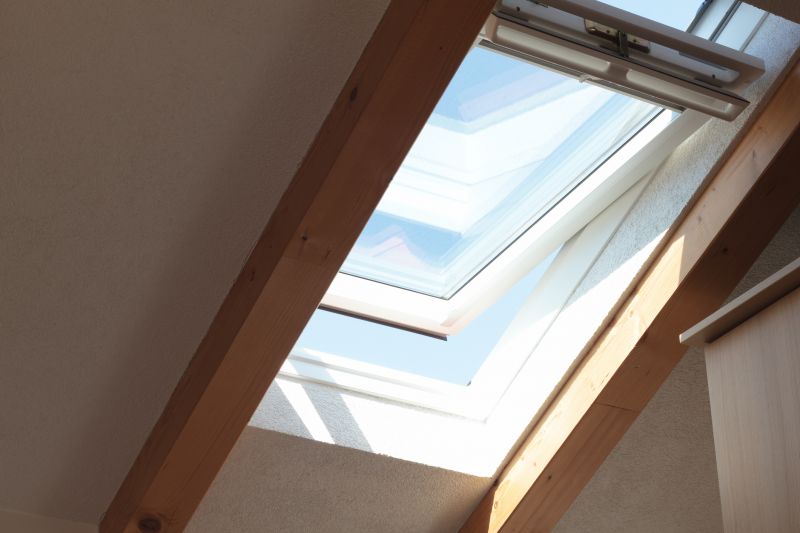

Homeowners in the area might start noticing that their living spaces feel darker than they’d like or that certain rooms lack natural light during the day. If there are areas in the home where sunlight could brighten the space but isn’t reaching due to window placement or obstructions, it could be a sign that a skylight installation would improve the overall ambiance. Additionally, property owners who are considering renovations or upgrades often look into skylights as a way to enhance their home’s aesthetics and functionality, especially if they want to bring in more daylight without sacrificing wall space.
Other common indicators include rooms that feel stuffy or poorly ventilated, as skylights can sometimes be opened to improve airflow. If a home has a flat roof or an accessible attic space, these features may make the installation process easier for local contractors. Property owners who notice these conditions might consider reaching out to local service providers to explore how skylight installation can add both natural light and value to their homes.
What structural features indicate a home is ready for a skylight installation? Homes with solid roof framing and sufficient attic space are better suited for skylight installation, as they provide the necessary support and access for local contractors to work safely and effectively.
Are there signs of existing roof issues that should be addressed before installing a skylight? Visible roof damage, leaks, or weakened shingles can affect skylight installation; local service providers may recommend repairs to ensure a secure and long-lasting skylight setup.
Does the current roof orientation or pitch impact the suitability for a skylight? Roofs with appropriate pitch and orientation that allow natural light to enter desired areas are ideal; local contractors can assess if the home's roof aligns well with your lighting goals.
Is the interior space prepared for a skylight installation? Clear attic or ceiling space without obstructions and proper insulation can make the installation process smoother, as local pros can evaluate interior conditions beforehand.
What exterior features might affect the installation process? Overhanging trees, nearby structures, or limited access points may influence installation; local service providers can identify these factors and recommend suitable solutions.
Existing roof structure - When the roof shows signs of age or damage, it may be time to consider a skylight installation with the help of local contractors who can assess and reinforce the roof as needed.
Natural light levels - Rooms that lack sufficient natural light can benefit from skylights installed by local service providers to brighten the space effectively.
Ceiling and attic conditions - If the attic is well-ventilated and the ceiling is sturdy, it creates a suitable environment for skylight installation services from local pros.
Room orientation and layout - Spaces that face the sun or have open layouts may be ideal for skylights, with local contractors able to recommend optimal placement for maximum benefit.
If you are thinking about signs your home is ready for a skylight installation for a property, this guide is meant to help you understand this topic, the typical project types, and how different options might fit your plans.
When you are ready, you can use the quote form on this page to share a few details about your project. From there, local pros can review the basics and follow up with options that match what you have in mind.